Every business gets a bad review sooner or later. It can sting, especially when it feels unfair. But the people reading your reviews are not only looking at the complaint. They are looking at how you respond to it.
Take a breath before you reply
Never reply in the heat of the moment. Wait until you can read the review calmly, check what actually happened and talk to anyone involved.
Keep the reply short and polite
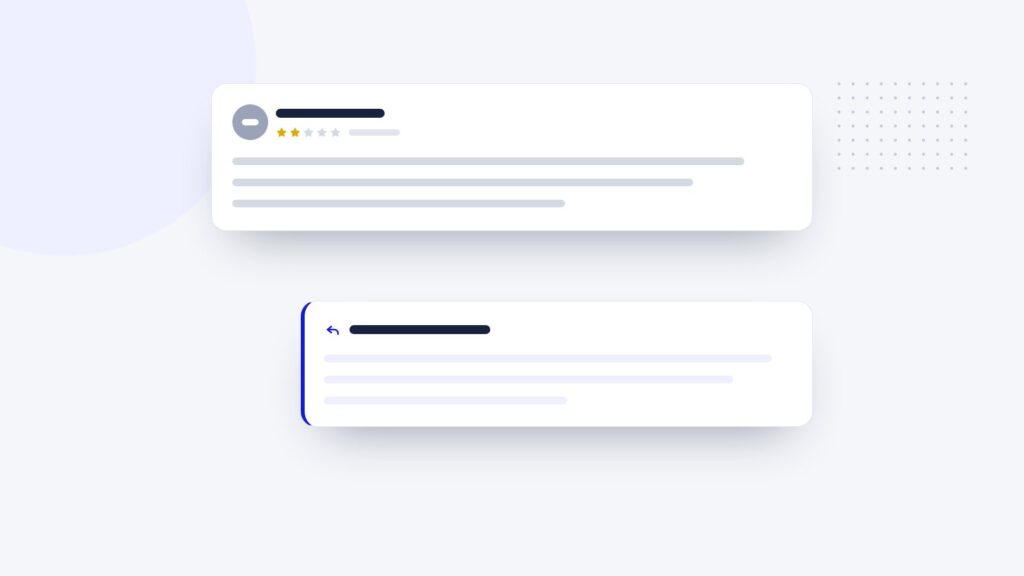
A good reply does four things: it thanks the person, acknowledges their experience, says briefly what you are doing about it and offers a way to talk directly.
Thank you for taking the time to tell us about this, and I am sorry your visit fell short. That is not the standard we aim for. I would like to put it right: please call us on [your number] and ask for [your name].
Do not argue in public
Even when a review is wrong, a public argument rarely ends well. State the facts politely if you need to, and move the conversation somewhere private.
We are sorry to hear this. We cannot find a booking under this name, so we would really like to understand what happened. Please get in touch on [your number] so we can look into it.
When a review breaks the rules
If a review is fake, offensive or clearly about a different business, you can report it from your Google Business Profile, and Google will check it against its policies. Reply politely in the meantime, as removal is not guaranteed.
Learn from it
Sometimes a bad review points to a real problem: slow replies, unclear prices or a missed appointment. Fixing the cause is the best way to make sure the next review is a good one.